Why Custom Metal Work Drives New Ideas and Better Products
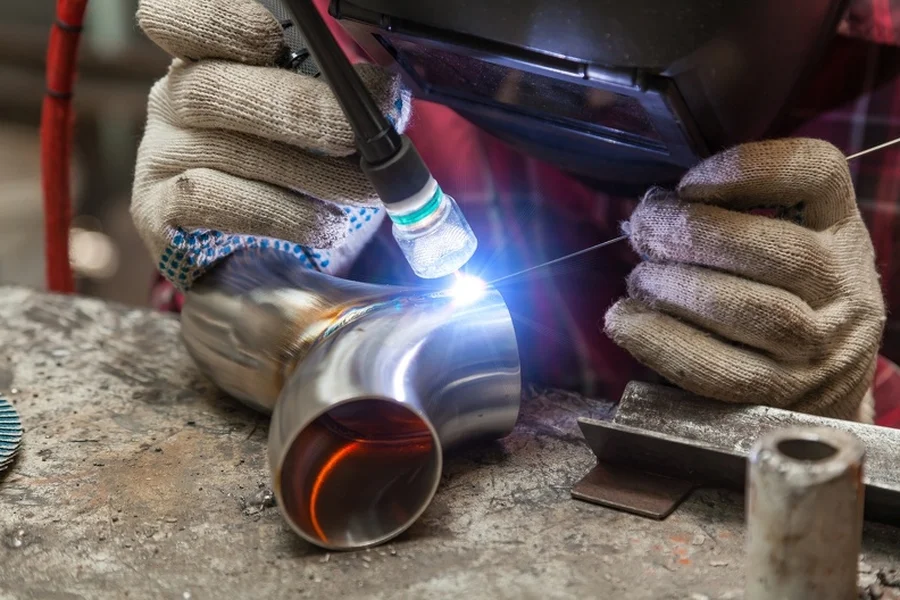
Welding fabrication helps turn ideas into real, working products. It allows designers and engineers to build strong metal parts, test new shapes, and improve how items perform. From small tools to large machines, this process makes it easier to try new designs and solve real-world problems. Without custom metal work, many modern products would never move past the drawing board.
What You Need Before Starting a New Fabrication Project
Before welding fabrication begins, there are a few basic things needed. Innovation does not start with a torch. It starts with a plan.
- A clear product idea or problem to solve
- Design drawings or 3D models
- The right type of metal for strength and durability
- Knowledge of how the product will be used
- Safety standards for the industry
In many cases, teams also look at service category keyword goals like structural metal work, equipment repair, or custom part creation. Knowing the final use helps guide each fabrication decision.
Step-by-Step: How Welding Fabrication Supports Innovation
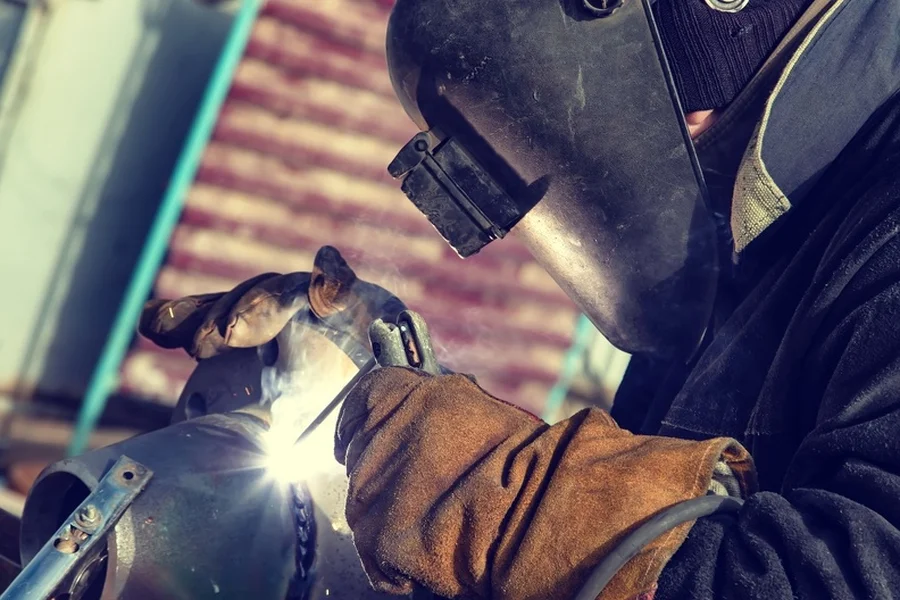
New product development often follows a simple path. Welding fabrication plays a key role in each step.
- Concept Creation – A product idea is sketched or modeled on a computer.
- Material Selection – The right metal is chosen for weight, strength, and cost.
- Prototype Fabrication – Welders cut, shape, and join metal to build the first version.
- Testing and Adjustment – The prototype is tested under real conditions.
- Design Improvements – Weak spots are reinforced. Parts may be reshaped or resized.
- Final Production – Once approved, the design moves into full manufacturing.
During the prototype stage, welding fabrication allows quick changes. If a bracket bends under pressure, it can be thickened. If a frame feels too heavy, material can be reduced. This hands-on process speeds up product innovation.
Common Mistakes That Slow Down Innovation
Even strong ideas can fail if the fabrication process is rushed or poorly planned. Some common mistakes include:
- Choosing the wrong metal for the product’s purpose
- Ignoring heat effects during welding
- Poor joint design that weakens the structure
- Skipping prototype testing
- Not planning for future upgrades or modifications
For example, using thin steel to save money may cause cracking during stress tests. Or placing weld seams in high-pressure areas may shorten the product’s lifespan. Careful planning prevents these setbacks and keeps innovation moving forward.
How Custom Fabrication Improves Product Performance
Welding fabrication does more than hold metal together. It gives engineers the freedom to create stronger and smarter products.
Custom frames can reduce vibration in machines. Precision welds can improve load-bearing strength. Special alloys can resist corrosion in harsh settings. These improvements lead to safer, longer-lasting products.
In industries like automotive, agriculture, and construction, small fabrication changes can make a big impact. A redesigned support bracket may increase fuel efficiency. A stronger trailer frame may carry heavier loads. These upgrades begin in the fabrication shop.
When to Involve a Professional Fabrication Expert
Some basic metal projects can be done in small workshops. But real product innovation often calls for advanced skills and equipment.
You should involve a professional when:
- The product must meet safety codes or inspections
- High stress or weight loads are involved
- Precise measurements are required
- Special materials like aluminum or stainless steel are used
- The design requires repeated production runs
Experienced fabricators understand heat control, structural integrity, and metal behavior. Their insight helps avoid costly redesigns later.
Build Better Products With the Right Fabrication Support
If you are developing a new product idea in Demopolis, AL, the right fabrication plan can bring it to life faster and with fewer problems. At In and Out Welding, I work closely with each client to turn concepts into strong, functional metal products. I focus on quality welding fabrication that supports testing, improvement, and long-term performance. If you want to discuss your project or need expert input on your design, call (334) 378-6607 and I will be glad to help you move forward.